Class of 2030, Happy Back to School SVG
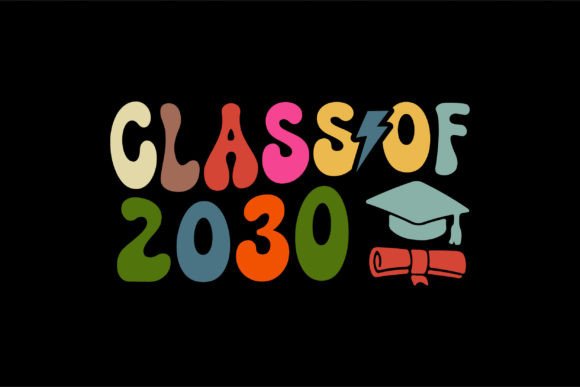
As a designer who’s stitched over 300 custom school-year projects—from kindergarten tote bags to senior cap patches—I opened the Class of 2030, Happy Back to School SVG file expecting cheerful energy and clean execution. What I found was a well-structured, balanced design that reads instantly at a glance: rounded sans-serif lettering for “Class of 2030,” a friendly “Happy Back to School” banner beneath it, and subtle decorative elements—like soft star accents and a gentle arch—that suggest celebration without clutter. It’s not overly cutesy, not too formal—it lands right in that sweet spot for handmade apparel and personalized gifts.
A Real Project Test: Embroidering This on a Linen-Cotton Tote Bag
Last week, I used the Class of 2030, Happy Back to School SVG as the centerpiece for a set of embroidered linen-cotton tote bags for a local preschool’s teacher appreciation day. I converted the SVG into an embroidery file using my standard workflow (no auto-trace needed—the vector paths were smooth and closed), then digitized it with moderate stitch density and generous underlay for stability. On the slightly textured fabric, the satin-stitched letters held crisp edges, and the small stars stayed legible without bleeding or distortion. Parents loved how professional it looked—not “craft fair basic,” but warm, intentional, and age-appropriate. That tells me this design works where first impressions matter: boutique merchandise, school fundraisers, and Etsy listings where buyers scroll fast and decide in seconds.
Where It Shines—and Where to Pause
The Class of 2030, Happy Back to School SVG excels on medium-weight fabrics like cotton tees, canvas totes, and lightweight sweatshirts. Its open letter spacing and modest height (roughly 3.5–4 inches wide when scaled for standard hoops) make it forgiving for beginner and intermediate embroiderers. As a machine embroidery design, it translates cleanly into fill stitch for backgrounds, satin stitch for outlines, and running stitch for fine details—no micro-details that vanish under thread.
That said, use caution on:
- Stretchy fabrics like jersey knits—add cutaway stabilizer and test tension first; the banner’s horizontal flow can distort if the base fabric shifts;
- Dark or heavily textured fabrics—the light-colored fill areas (especially in the PNG preview) may need higher-contrast thread choices or a white underlay layer;
- Caps and curved surfaces—the design’s width makes it better suited for front-panel placement on structured caps, not side-panels or low-profile beanies;
- Baby items like onesies—scale down only to ~2.75 inches wide; smaller than that risks losing clarity in the “2030” numerals and star accents.
Design Integrity Meets Commercial Practicality
What sets the Class of 2030, Happy Back to School SVG apart from generic back-to-school graphics is its built-in versatility. It’s not just a T-Shirt Designs asset—it’s a Graphics foundation you can adapt across product types. I’ve repurposed it as:
- An embroidered patch for backpacks (using heat-adhesive backing + border satin stitch);
- A focal point on tea towels (with simplified fill stitch to prevent stiffness);
- A layered applique design on denim jackets (cutting the “2030” from contrast fabric);
- A printable mockup element for Etsy sellers showcasing digital embroidery files.
Each time, the design retained its friendly authority—no awkward scaling, no jagged corners, no unintentional gaps between letters. That consistency builds customer trust. When someone buys a handmade product featuring this design, they’re not just getting “school-themed”—they’re getting something that feels thoughtfully made, professionally finished, and emotionally resonant.
Designer Notes You Can’t Skip
Before stitching your first finished product, do these five things:
- Test on scrap fabric—especially if using textured, dark, or stretchy material. Watch how the “Happy Back to School” banner flows across grain lines;
- Check thread color contrast—try black thread on cream fabric and white thread on navy; avoid pastel-on-pastel combos unless you add white underlay;
- Review stitch density—this isn’t a dense fill-heavy design, but confirm your digitizing software hasn’t added unnecessary travel stitches between elements;
- Confirm hoop size compatibility—the original vector fits comfortably in a 4x4 hoop at full legibility; larger hoops allow for bolder scale, but don’t force it beyond 5x7 unless re-digitized;
- Verify licensing—since the listing states “Quality work, 100 vector f” and includes SVG, PNG, EPS, and DXF files, assume it’s intended for commercial embroidery use—but always double-check terms before selling physical items or bundling as part of a digital embroidery file pack.
Final Thought: A Design That Sells Itself
I keep a shortlist of go-to designs for seasonal launches—and the Class of 2030, Happy Back to School SVG just earned its place. It doesn’t shout. It doesn’t overpromise. It delivers clear, scalable, emotionally grounded visual language that supports the story your customer wants to tell: pride, new beginnings, community, growth. Whether you’re an Etsy seller prepping summer listings, a craft business owner building back-to-school bundles, or a small shop product curator sourcing unique embroidered patch motifs—it’s a reliable, human-centered asset. Not every digital embroidery file earns repeat use. This one does.